
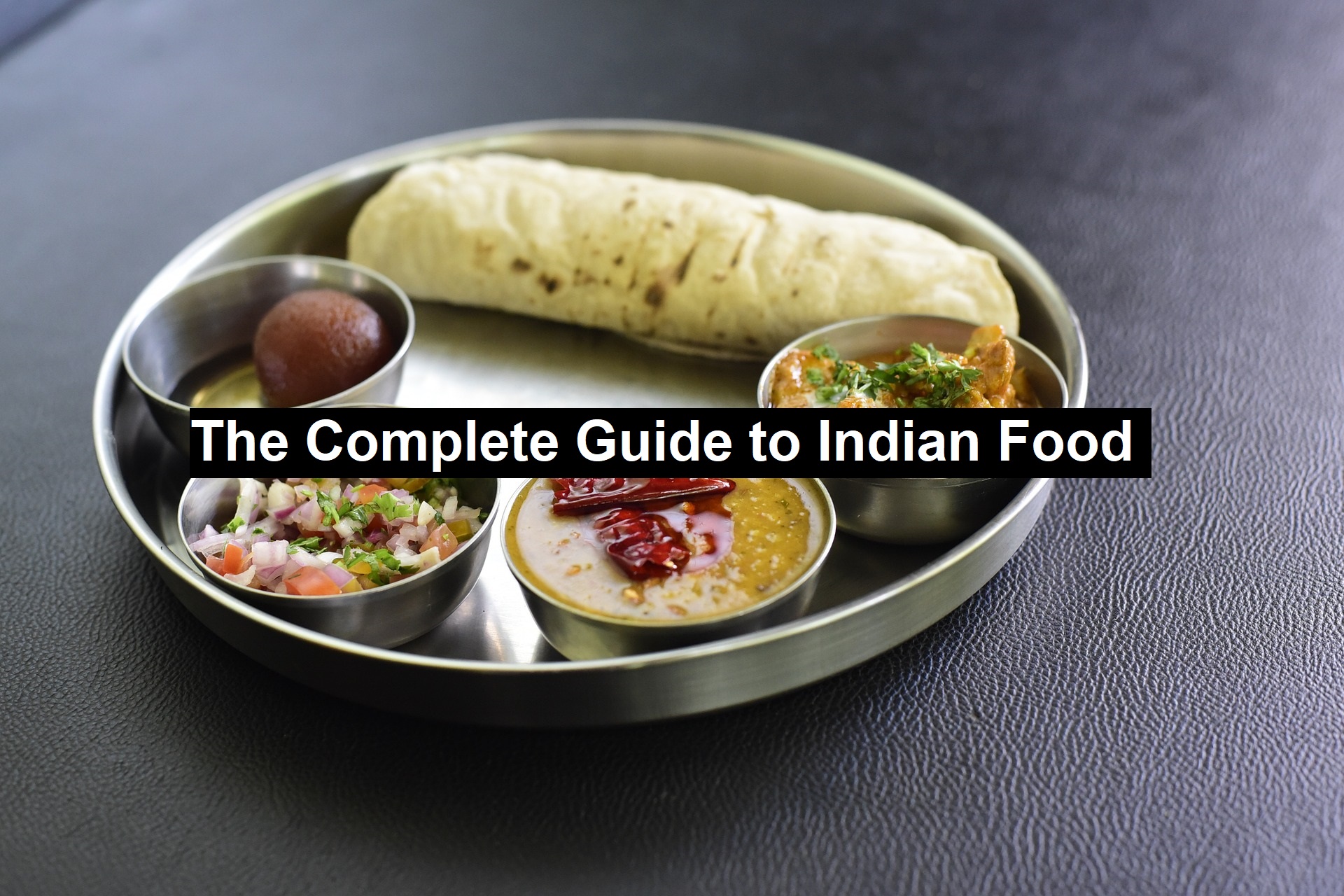
List of the Most Common Indian Dishes by Region and Type Indian food is a vast collection of culinary influences and traditions from all over the Asian continent, much like the national food scene of any other nation.
What the Most Well known Indian Dishes?
The flavors of traditional Indian cuisine are the same. However, dishes in both North Indian and South Indian cuisine differ significantly. If you know any Indian restaurants in the United States, you probably know these popular (and delicious!) Indian fare:
Gobi, adieu! Cauliflower and golden potatoes.
fried chicken This recipe will teach you how to make the best Indian butter chicken.
Chana masala. stewed chickpeas.
Paneer palak Curry with spinach and fresh cheese
Chicken tikka masala. A creamy masala sauce with chicken.
Uncooked, margarine brushed naan. The common Indian flatbread is baked.
Papadum crisp. A North Indian flatbread that is very thin and has a satisfying shatter. It is completely dried before being quickly dipped in hot oil until it becomes blistered and golden.
Curry of fish. Attempt this simple and speedy South Indian fish curry recipe at home. ( Idli steamed rice cakes or dosa lentil and rice crepes are typically paired with this Goan curry.)
Vindaloo with lamb A fast and simple, fiery curry highlighting meat marinated in a tart vinegar sauce.
Dal mahkani A stew made with entire dark or yellow lentils.
Pakora. A light battered fried snack that typically contains potato or cauliflower.
Kofta. Indian meatballs are typically made with onions, spices, minced pork or lamb.
Korma. a meat or vegetable curry made with yogurt, spices, and cream that is thick and savory.
Biryani. a popular Kashmiri staple dish made of meat, rice, and spices.
Kebab. a staple of Punjabi cuisine.
Check out this guide to 13 popular Indian recipes you can make at home if you need some ideas.
What are the most common flavors and ingredients used in Indian cuisine?
Common ingredients in Indian cuisine include, in addition to the standard spice kit of chili peppers (dried whole and powdered), garlic, ginger, and allspice:
Stew peppers (dried entire and powdered)
Mustard seeds. These are typically found in grainy mustard. When they are roasted, their inherent fieriness is subdued, and their flavor becomes nuttier. important in Indian cuisine.
Cumin. These little seeds have a strong, smoky flavor that goes well with a lot of Indian and Mexican dishes. A little helps a lot.
Fennel. The fennel plant’s seeds, which have a stronger anise flavor than the bulbs, go well with pork.
Cardamom. A flexible zest with a warm, sweet flavor. The pod can be added whole or crushed to obtain the seeds, which can be ground if desired.
Cinnamon. Cinnamon, which comes from the rolled bark of a Sri Lankan tree, pairs particularly well with sugar. Additionally, it is frequently used in meaty, savory Moroccan tagines.
Coriander. The flavor of these dried berries is sweet and aromatic, but they don’t taste like the herb that makes them. Use it in homemade burgers or to poach fish in liquor with cumin.
Turmeric. a dried root-based spice with a brilliant yellow color. It has an earthy, mustard-like flavor and gives curry powder its distinctive color.
Fenugreek. a bitter Mediterranean seed with a celery-like aroma that is used in curry powders. An essential component of homemade ras el hanout, a Moroccan spice mixture with coriander, cumin, cinnamon, and cloves.
masala garbanzo. Because the blend varies slightly depending on where you are (and which auntie is cooking), a custom spice mixture known as garam masala is a good indicator of local palates. Here, you can learn how to cook with garam masala.
Ghee. Numerous Indian recipes use ghee, an Indian rendition of explained margarine. Here, you can find out more about ghee and how to make it at home.
What Are the Different Territorial Cooking styles in India?
The distinguishing characteristic of Indian cuisine varies from region to region. Religion, population, and geography all play a role in this theme, even though neighbors’ interpretations of how to cook something vary greatly. The North has heartier dishes like those from Pakistan, and the South has dishes with similar flavor profiles all over Southeast Asia.
Northern India. Rich curries and thick sauces, served with breads and fragrant yogurts, dominate North Indian cuisine. It serves dishes like tandoori chicken and chana masala, which are cooked in clay ovens and packed with spices. Common combinations include onion, tomato, and garlic.
Delhi, India. Chaat or samosa are two examples of street food in New Delhi.
South India. Herbs like lemongrass and curry leaves, native fruits, and more coconut milk-based flavor profiles are prevalent in South Indian cuisine. There are more stews, rice, and lentils than breads, and sauces are typically thinner as a result.
Kerala. In Kerala, sweet dumplings and pazham pori, or banana fritters, are common street foods.
Northern India: Jammu and Kashmir. In the northernmost part of the country, Jammu and Kashmir, meat dishes like rogan josh, a yogurt-based lamb curry with chilies, dominate the menu.
Gujarat. Due to the high concentration of Jainism, a religion based on nonviolence and asceticism, in the state of Gujarat, which is surrounded by coastline and has abundant seafood access, the majority of the population is vegetarian.
Mumbai. Mumbai, India’s largest city and formerly Bombay, is well-known for its market hawkers and street food culture. It is just across the water from Gujarat. From piles of tangy puffed rice bhelpuri to roaming chaiwalas who serve milky black tea and sugar-soaked electric orange jalebi, stalls have it all.
What are some common side dishes from India?
Sides are an essential component of any meal, and the Indian canon is full of complementary flavors and presentation styles. They cleanse the palate and provide color and harmony.
Papadum. A crisp made from black gram flour that is typically eaten as a side dish or as a starter. Have a go at making them yourself with this simple and speedy recipe.
Raita. Along with things like Basmati rice, this basic condiment is made from yogurt sprinkled with grated vegetables and ground spices, typically cumin, to cool and temper heat. In our guide, learn how to make the best homemade raita.
Chutneys. Chutneys, from tamarind to mint, are a popular addition to snacks like masala dosa and samosa. Some Indian families even mix mint chutney with ketchup to serve it with samosa or dahi toast, which has a yogurt filling that looks like raita. Use this simple recipe to try making vegetarian samosas for yourself.
Achaar. As India’s most popular pickle, achaar can be found in many forms. Achaar, which can be made from a fruit or a vegetable, brightens everything from rice to yogurt to dal and is always on the Indian table. The standard is a spicy mango achaar, which has a consistent sweet-sour flavor but varies in heat and spice from state to state. Check out our comprehensive guide to learn more about achaar.